Moisture is measured, not guessed
We use moisture mapping to locate wet areas behind finishes and confirm drying progress so the project does not stall later because something was missed.
Serving Columbus & surrounding areas
Find help for water damage in Columbus, Ohio, from emergency water extraction and drying to cleanup, restoration, and repair for homes and businesses.
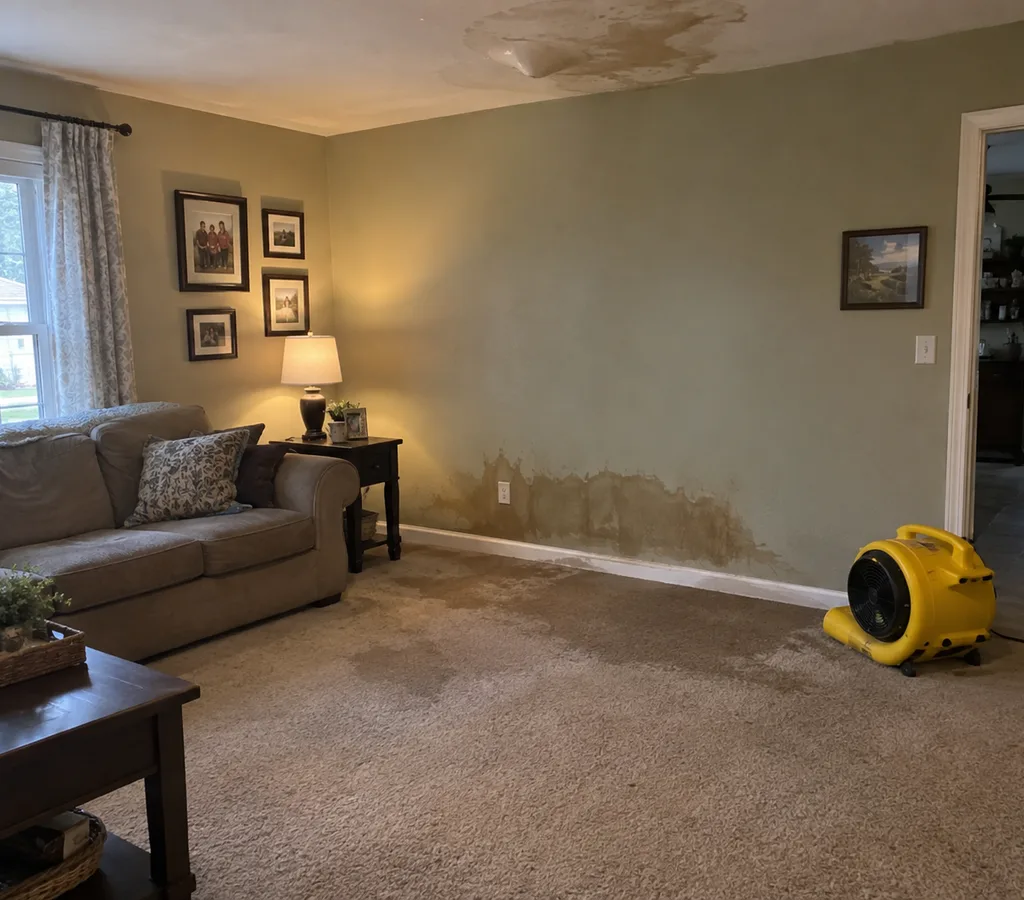
If you are dealing with water damage in Columbus, the first goal is simple: stop the water source and keep moisture from spreading into drywall, flooring, cabinets, and insulation. Even after the visible water is gone, water can wick behind baseboards, under plank flooring, and into wall cavities, making prompt water damage restoration important.
Our crews focus on the work that actually changes the outcome: fast water removal, controlled demolition when materials cannot be saved, and measured drying using commercial dehumidifiers and air movers. Once materials are dry, targeted water damage repair can restore affected finishes.
Moisture that remains behind walls or under flooring can support mold growth. Depending on the conditions, the next step may be mold testing, focused mold removal, or a complete mold remediation plan.
A real water loss is rarely just a puddle on the surface. The right plan depends on the water category—clean, gray, or black—how long it sat, and where it traveled.
Common work steps include:
You will get a plain-language explanation of what is happening in the building and why. When the situation allows, we prioritize drying and saving materials. When it does not, we tell you early so you are not paying to dry something that must be removed anyway.
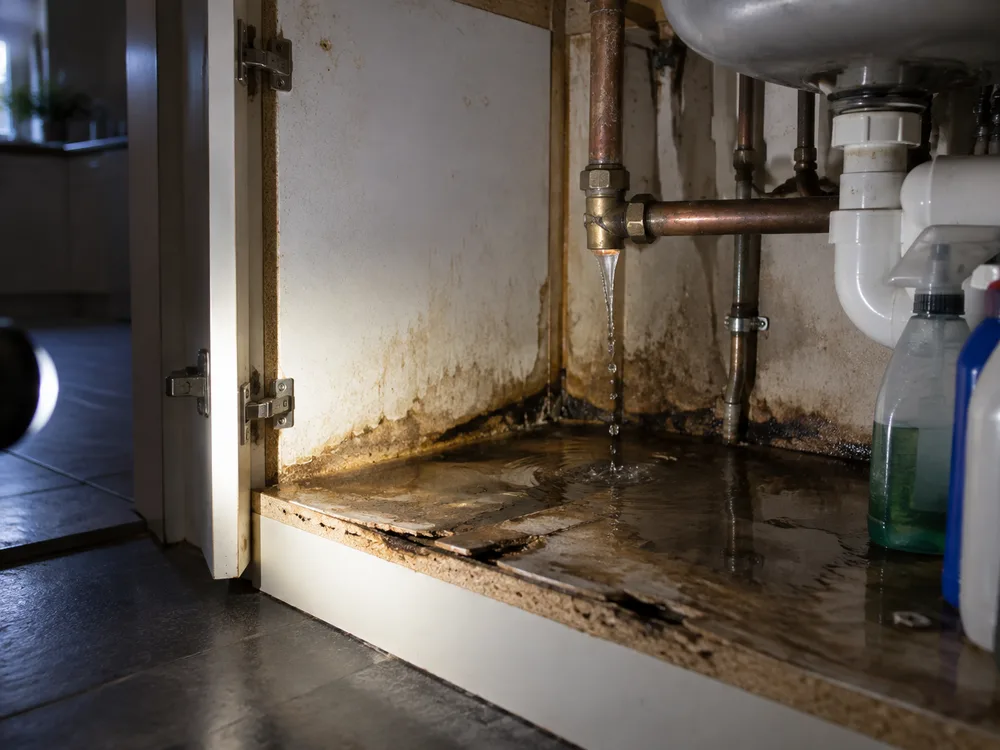
We use moisture mapping to locate wet areas behind finishes and confirm drying progress so the project does not stall later because something was missed.
Some materials dry well, others do not. We explain salvage versus removal based on saturation, material type, and contamination level.
You get clear notes on what was done, equipment in place, and the conditions we are seeing so you can make decisions with confidence.
From older housing stock in Clintonville and German Village to dense condos in the Short North, access, assemblies, and flooring types change the approach.
For offices, retail, and small facilities, we plan work so drying and cleaning can continue while minimizing disruption where possible.
We start by confirming the source is controlled and the area is safe to work in. If power needs to be shut down around wet materials or equipment, we coordinate the next steps before work continues.
We identify where water traveled, including adjacent rooms, wall bottoms, and flooring transitions. This is where hidden moisture is usually found, especially around cabinets and under finished floors.
Extraction reduces drying time and limits swelling and delamination. If drywall, insulation, or flooring cannot be dried safely or is contaminated, we remove only what is necessary to open the assembly for drying.
We size dehumidification and airflow to the job and monitor moisture levels. Drying is not finished when the surface feels dry; it is finished when measurements show the structure is back to safe levels.
After drying, we clean affected surfaces and address odors as needed. You receive confirmation that drying targets were met so you can move forward with repairs and rebuilding.
Most water damage restoration in Columbus typically ranges from about $1,500 to $6,500, with small, clean-water losses at the low end and larger multi-room losses or contaminated water at the high end. A single wet room with straightforward drying often lands around $2,000 to $4,000, while jobs requiring demolition, sanitation, and extended drying can run higher.
Final pricing depends on the amount of water, how far it spread, what materials are affected—drywall, insulation, hardwood, or cabinets—accessibility, and the category of water. Condos and tight basements can take longer. The exact scope and cost are confirmed after an on-site inspection and moisture mapping.
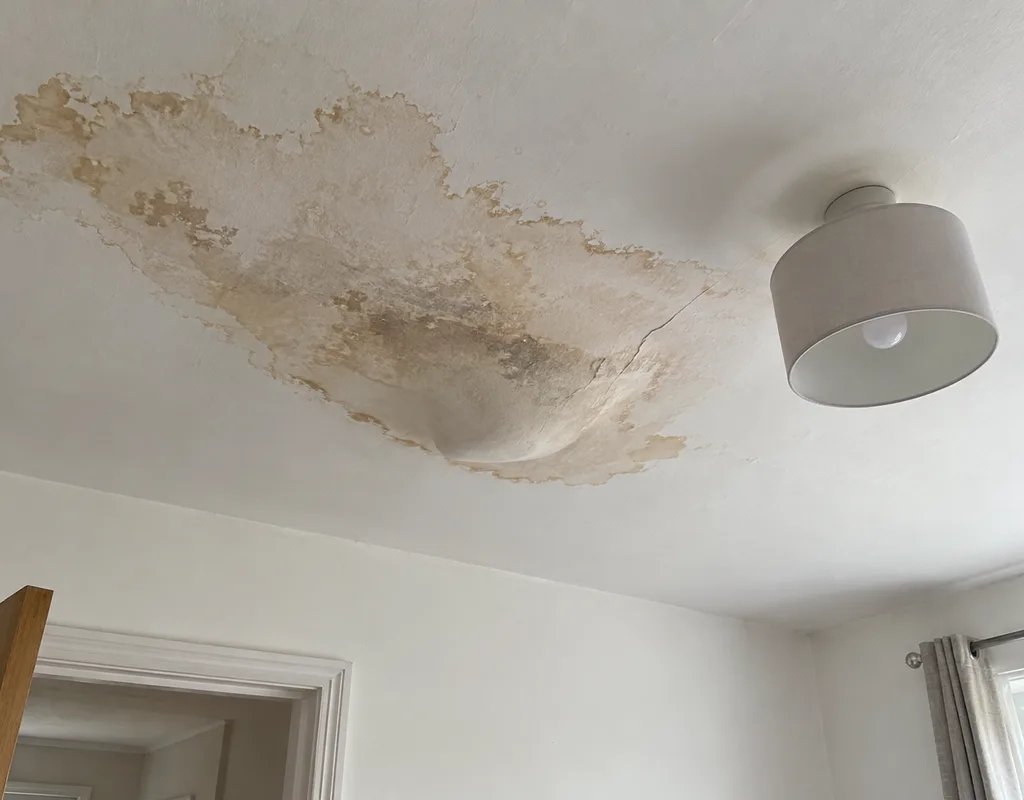
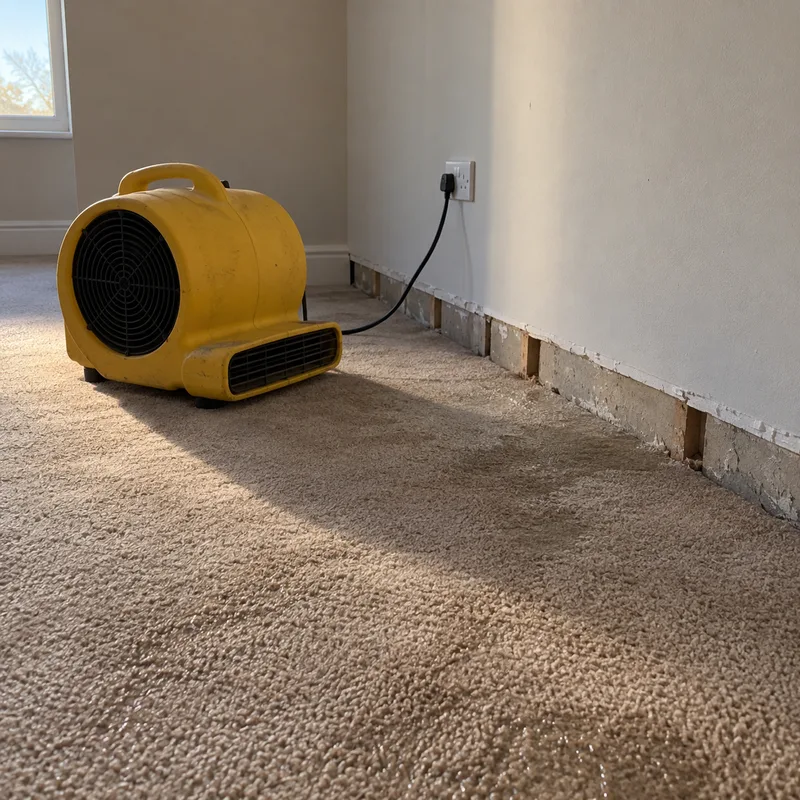
Start water removal and drying as soon as the water source is stopped, ideally the same day. Materials like drywall, insulation, and wood assemblies can hold moisture where you cannot see it, and delays can turn a straightforward drying job into a larger demolition and cleaning project.
Yes, but the approach changes based on the water category. Clean water losses often focus on extraction and structural drying, while Category 3 sewage typically requires removal of porous materials, thorough cleaning, and disinfection to address contamination before drying and repairs.
Moisture mapping means taking a series of moisture readings across surfaces and into assemblies to locate where water traveled and to track drying progress. It helps prevent missed wet pockets behind baseboards, under floors, or at the bottoms of walls that can cause later damage.
Sometimes, yes, if the water is clean, the exposure time is short, and drying starts quickly with the right equipment and monitoring. If boards are cupping, swelling, or water is trapped under a sealed surface for too long, partial removal or replacement may be the safer path.
Many structural drying projects take about 3 to 5 days, but timing depends on saturation level, affected materials, and whether wet insulation or multiple layers are involved. Basements and tightly finished spaces often take longer because airflow and evaporation are slower.
Stop the source if it is safe, shut off power to wet areas if there is any risk, and move valuables and electronics out of the affected rooms. Avoid running household fans into wall cavities where contamination may be present, and avoid pulling up flooring without a plan, since it can spread moisture and increase damage.
Yes. Multi-unit buildings often require coordination for access, elevator use, and protecting common areas. We also pay close attention to shared walls and units below, since water can travel through penetrations and chaseways.
Planning tool
Restoration is priced by the area affected and the category of water involved. Answer three questions for a general planning range for Columbus properties. This is a guide for planning only, not a quote.
Typical Columbus planning range
$1,100 to $2,400
Extraction, drying equipment and monitoring for a clean-water loss.
These ranges reflect typical restoration pricing of roughly $3.50 per square foot for clean water up to $7.50 for contaminated water, adjusted for Columbus. What actually drives the final figure is how far the water travelled, what is behind the walls, and whether materials can be dried in place or have to come out. That is settled by moisture readings on site.
This is an estimate only. It is a planning range based on typical restoration pricing, not a quote and not an assessment of your property. Every loss is different. For an exact figure, call us and we will take moisture readings on site.
Tell us what happened and what areas are affected. We will respond with a clear plan for extraction, drying, and documentation so you can move forward with less uncertainty.