Moisture readings, not guesses
We use moisture meters and targeted checks so drying decisions are based on what is wet, not what looks wet.
Serving Columbus & surrounding areas
Fast response for leaks, burst pipes, and flooding. We dry the structure, document what happened, and help prevent secondary damage like warping, staining, and mold growth.
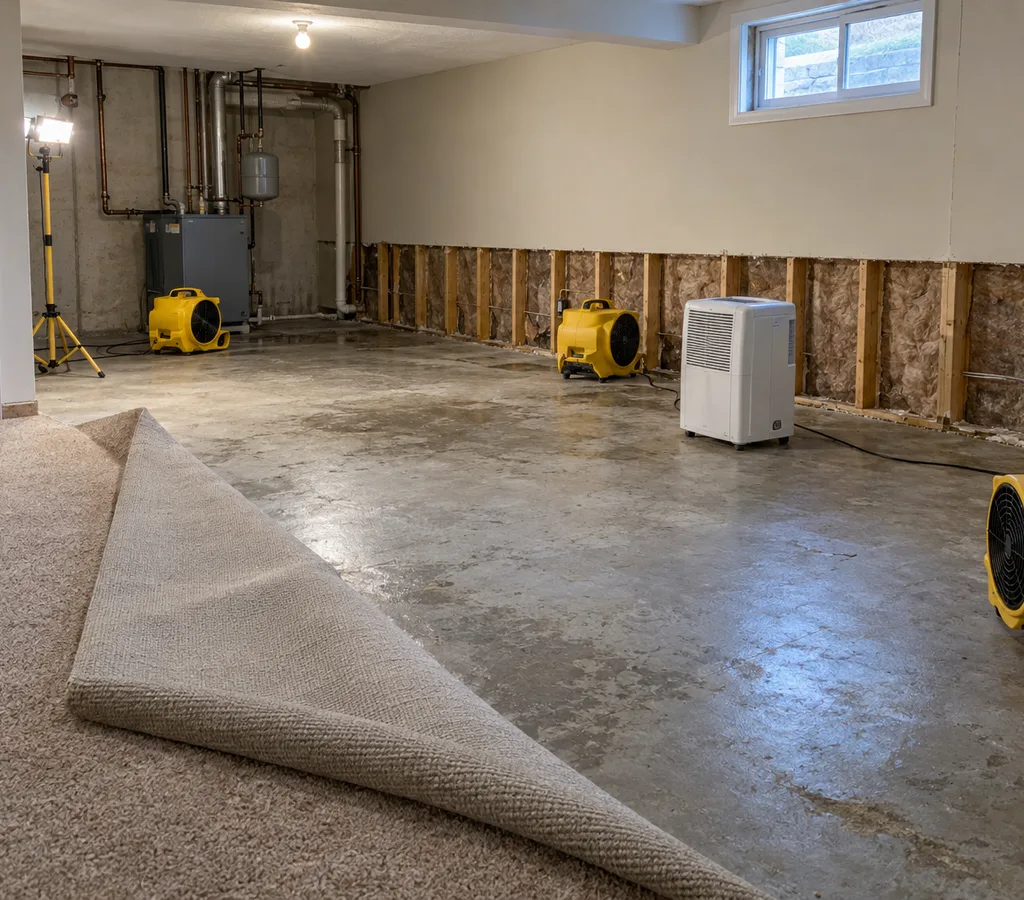
When water gets into floors, drywall, or insulation, time matters. Our Columbus water damage team provides restoration with an emphasis on quick stabilization and careful drying, because hidden moisture is usually what causes the most expensive problems later.
Our team focuses on the work that protects the structure: stopping the source when possible, mapping moisture with meters, pulling up affected materials when needed, and setting up commercial drying equipment. We also document conditions as we go, so you have a clear record of what was found and what was done.
If you are dealing with a supply line leak, sump pump issue, appliance overflow, or storm water intrusion, the goal is the same: dry the building materials to safe levels and get your home back to normal with a clear plan and clean jobsite.
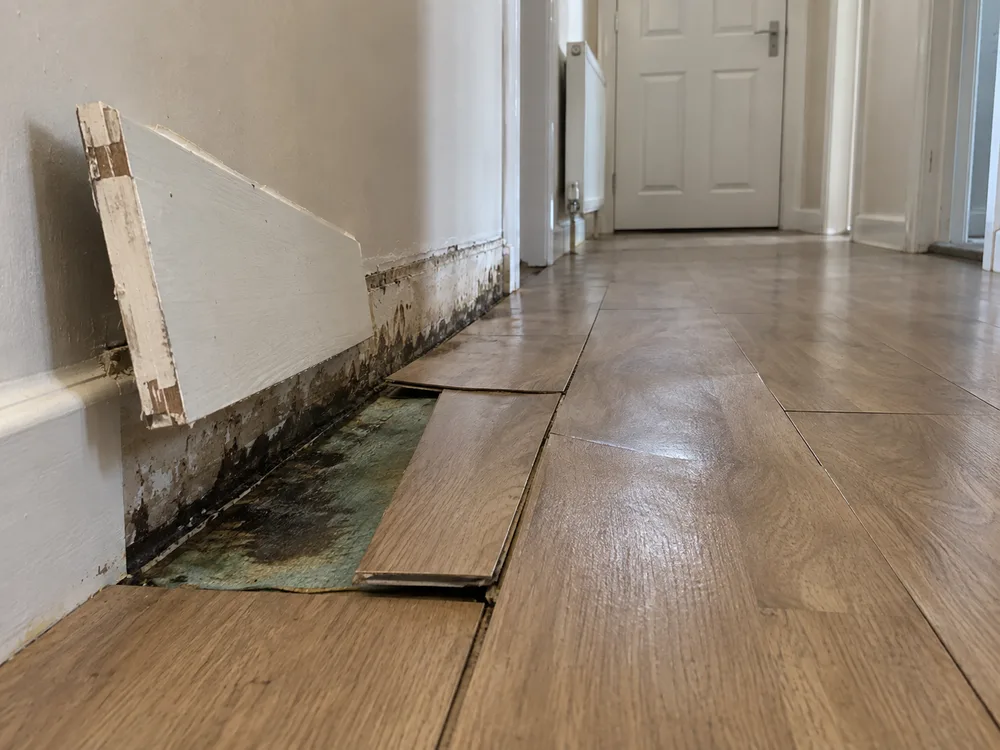
We use moisture meters and targeted checks so drying decisions are based on what is wet, not what looks wet.
Air movement and dehumidification are set up to dry framing, subfloors, and wall cavities where water likes to hide.
When materials need to be removed, we isolate the work area and keep the jobsite controlled and tidy.
You get a plain-language scope and progress notes so you understand what happened and what comes next.
We help you decide what can be dried and saved versus what should be removed to avoid recurring issues.
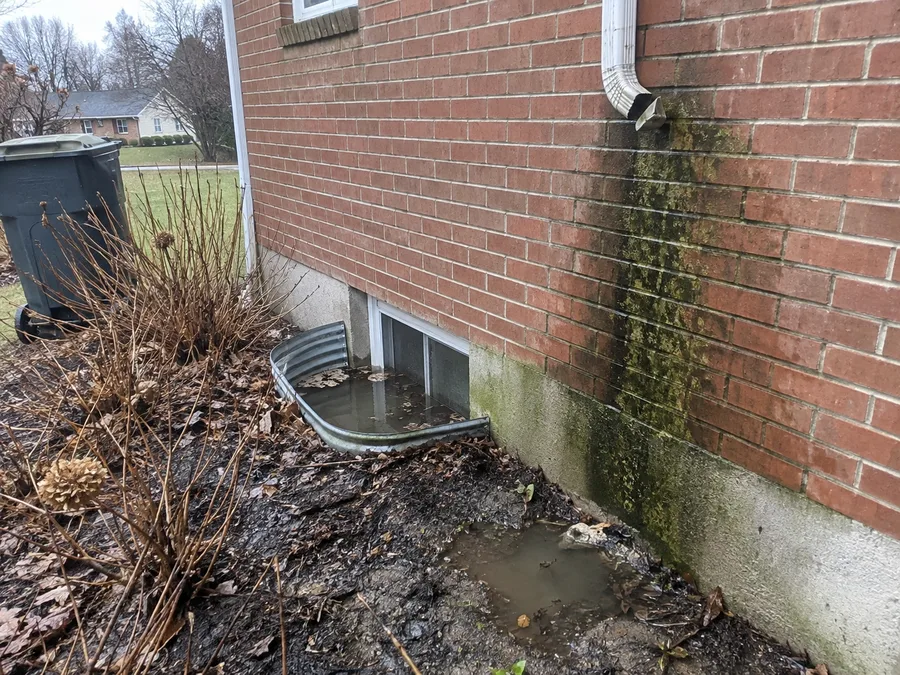
Water Damage Columbus Ohio is a local team serving Columbus homeowners and property managers with water damage restoration and cleanup. We take a trades-first approach: inspect carefully, control moisture, and keep the work moving so the affected area can be repaired and put back into service.
You will always know what we found, what we recommend, and what the work will involve before anything major starts. If the situation changes once materials are opened up, we explain why and update the scope. That matters for water damage restoration in Columbus, where a small leak can travel along framing, under flooring, and into wall cavities before it shows up.
Our work is built around protecting the building: drying to safe levels, preventing odors and staining, and reducing the chance of secondary damage after the water is gone.
Water damage restoration in Columbus typically ranges from about $1,200 to $6,000+, depending on how far the water spread and what materials were affected. A small, clean-water incident limited to one room often lands in the lower end, while multi-room saturation, wet drywall removal, or longer drying times can push costs higher.
Final pricing depends on moisture depth, required demolition, equipment days, accessibility, and whether the water was clean, gray, or contaminated. The exact cost is confirmed after an on-site inspection and moisture readings.
We assess the source and safety concerns, then start extraction and protective measures to limit spread.
We map moisture in floors and walls, identify affected materials, and outline what needs to be dried or removed.
We set air movers and dehumidifiers, then monitor readings and adjust equipment placement as conditions change.
Once materials are dry, we clean the work area and explain the repair path so the property can be rebuilt properly.
If you have active water, staining, sagging drywall, or a musty smell after a leak, get a professional assessment quickly so drying can start before damage spreads.
Call Now (380) 224-5066We provide water damage restoration across Columbus. Different parts of the city tend to come with different building styles and water entry points, so we tailor the inspection to the home and the event.
Call Now (380) 224-5066Clintonville: Older homes and finished basements mean leaks can travel behind plaster or into subfloors before you see them.
German Village: Dense historic housing stock makes careful moisture mapping important, especially around shared walls.
Short North: Condos and multi-unit buildings often require controlled containment and clear documentation to coordinate the work.
Upper Arlington: Larger homes with multiple bathrooms and long plumbing runs can hide supply-line leaks in ceilings and walls.
Dublin: Newer subdivisions still see sump pump failures and storm-related water intrusion that can affect finished lower levels.
A pipe let go while we were out of town. They showed up fast, explained what needed to come out, and kept checking moisture until the floors and walls were dry. The documentation was easy to follow.
We had water under our LVP flooring and it wasn't obvious at first. They found the wet areas with meters, set the drying equipment, and kept the work area clean the whole time.
Clear communication from start to finish. We knew what was happening each day and what the next step was once everything tested dry.
Response time depends on current demand, but we prioritize active water situations and time-sensitive dry-outs. If water is still entering the home or materials are saturated, the goal is to stabilize quickly so moisture does not spread into adjacent rooms and wall cavities.
Shut off the water source if it is safe, and avoid using outlets or electrical devices in wet areas. If possible, move small items off wet floors and place towels at thresholds to slow migration, but leave wet drywall and flooring decisions to an on-site inspection.
Yes, we handle common residential water loss events including burst supply lines, water heater failures, dishwasher and washing machine leaks, and basement water issues. The inspection focuses on where water traveled, not just where it is visible.
Sometimes, yes, when materials are swollen, contaminated, or blocking proper drying. We explain what needs to be removed and why, then dry the remaining structure to verified moisture levels before recommending repairs.
We can provide documentation of conditions, moisture readings, and the restoration scope to support the claim process. Coverage decisions are made by your carrier, but clear photos and notes from the start usually make communication easier.
The best prevention is fast drying and controlled humidity, especially inside wall cavities and under flooring. We focus on extraction, dehumidification, and monitoring so materials reach dry standards instead of being closed up while still damp.
Tell us what happened and where the water is showing. We will walk you through immediate safety steps, schedule an inspection, and provide a clear scope for drying and cleanup.