Clear scope, not vague warnings
We document what we observed, where samples were taken, and why those locations matter, so you can make decisions without guesswork.
Serving Columbus & surrounding areas
If you smell something musty, see staining, or have had a recent leak, testing turns suspicion into clear answers. Our local team pinpoints where mold is present, how it is likely spreading, and what steps make sense next for your home or business.
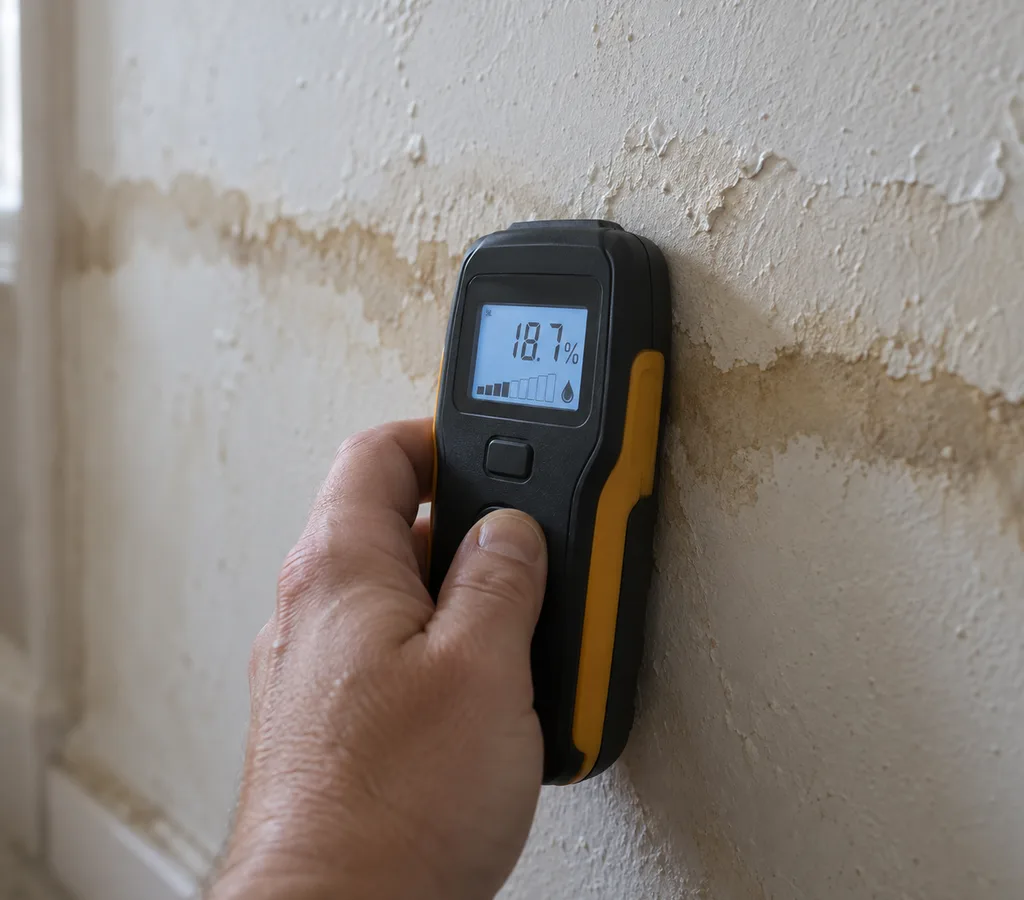
Searching for mold testing Columbus Ohio usually starts with a concern you cannot ignore: a persistent odor, headaches that only happen at home, a damp basement corner, or a recent plumbing or roof issue. Testing is most useful when you need an objective snapshot of conditions, especially in spaces where mold can grow without being obvious.
Common situations where testing helps:
Columbus has long humid stretches and large temperature swings that can keep hidden areas damp longer than expected. Our Columbus water damage team can help connect test findings to the moisture conditions that need to be corrected.
A useful mold test is more than taking a sample. We start with a walk-through and moisture-focused inspection because mold growth follows water, not guesses. You will get plain-language findings and a path forward.
Typical components:
We can coordinate testing in tight or sensitive spaces such as attic kneewalls, crawlspaces, behind access panels, and finished basements. If there was a prior leak, details about when it happened, what was dried, and what was replaced often explain why a problem keeps returning.
When materials are still wet or actively deteriorating, water damage restoration is often the next step.
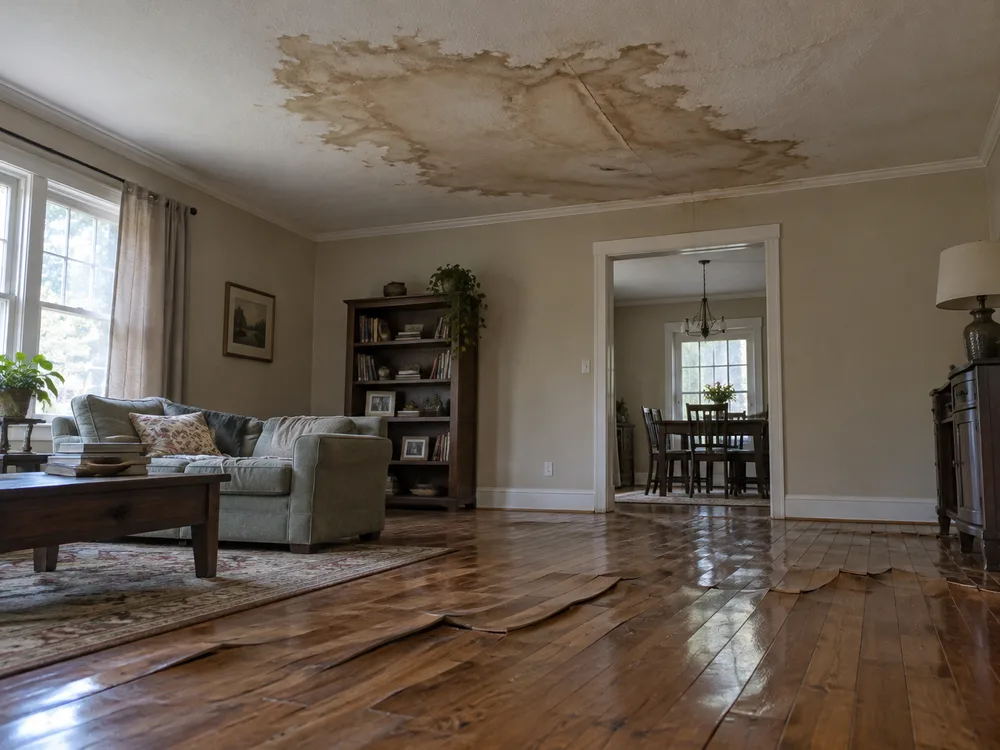
We document what we observed, where samples were taken, and why those locations matter, so you can make decisions without guesswork.
Air, surface, or both, depending on whether you are confirming a visible spot, checking a whole level, or validating post-cleanup conditions.
Testing is only meaningful when paired with moisture findings. We flag likely sources such as condensation, prior leaks, or drainage issues that keep areas damp.
If results indicate an indoor source, you get practical options: targeted cleaning, containment and remediation, material removal, or monitoring once moisture is corrected.
We work in homes, rentals, offices, and light commercial spaces where documentation and timing matter.
We ask what changed—odor, leak, remodeling, new HVAC, or tenant turnover—and what you need from testing: peace of mind, pre-purchase documentation, or confirmation before remediation.
We inspect the problem area and nearby building components, then take moisture readings to understand how water or humidity is affecting materials.
When sampling is appropriate, we collect air and/or surface samples using standard methods and label them with locations so results are tied to the space, not just a generic report.
Samples go to an accredited lab for identification and counts where applicable. We then translate findings into plain language so you know what they mean for the building.
We outline practical next steps based on results and moisture conditions, including when professional remediation makes sense and when a targeted fix and monitoring is the better call.
Mold testing in Columbus typically ranges from about $250 to $750 for a standard home inspection with limited sampling, with larger homes or multi-area investigations often running $800 to $1,500+. Cost depends on how many areas need assessment, the number and type of samples (air versus surface), accessibility (attic or crawlspace), and whether you need post-remediation clearance sampling. The exact price is confirmed after a quick intake and on-site evaluation of what you are trying to prove or rule out.
Call Now (380) 224-5066We had a musty smell in the basement that kept coming back. The inspection showed dampness behind finished walls and the report explained what the samples meant in plain language. We finally had a real plan instead of guessing.
Needed documentation for a rental turnover. They were on time, took samples from the right spots, and walked me through next steps without pushing work we did not need.
Most appointments take 45 to 90 minutes, depending on the size of the property and how many areas need moisture checks and sampling. Finished basements, crawlspaces, and attic access points can add time because we move carefully and document conditions.
It depends on the question you are trying to answer: surface sampling is best when you have visible suspect growth and want identification, while air sampling helps evaluate whether there may be an indoor source affecting the space. Many Columbus homes benefit from both when there is a history of dampness and an odor without obvious visible growth.
You cannot directly sample what you cannot access, but we can often infer hidden moisture conditions using moisture meters and thermal imaging, then recommend targeted access points if evidence supports it. When needed, we focus on low-impact locations like baseboards, access panels, or unfinished areas to confirm conditions.
If results and inspection findings suggest an indoor mold source, the next step is a written scope that addresses both removal and the moisture cause. If materials are still wet or damage is ongoing, a fast response for water damage restoration in Columbus is often the right starting point before any mold work is planned.
Yes, when there are risk indicators like water staining, musty odor, a recently finished basement, or a history of roof or plumbing repairs. Testing can provide documentation and help you decide whether you need further evaluation or a negotiated repair plan before closing.
Yes. Post-remediation clearance testing is scheduled after the work area is cleaned and dry, and it typically includes a visual check plus air sampling to document conditions. We also confirm moisture levels, because damp materials can restart growth even after a thorough cleanup.
Keep conditions as normal as possible for at least a day: avoid heavy cleaning, do not run ozone generators, and do not paint or disturb the suspect area right before testing. If you recently had a leak, share the timeline and what was dried or replaced so we can target the inspection and sampling plan.
Tell us what you are seeing (or smelling) and when it started. We will schedule an inspection, explain the sampling options, and provide findings you can act on.