Inspection and scope you can verify
We document visible growth, water staining, and likely pathways such as attics, wall cavities, and basements. The written scope ties each work step to a specific area and material type.
Serving Columbus & surrounding areas
Stop mold at the source with a clear plan, controlled containment, and verified cleanup. Our local team inspects, documents the scope, and completes remediation so you can safely re-occupy the space.
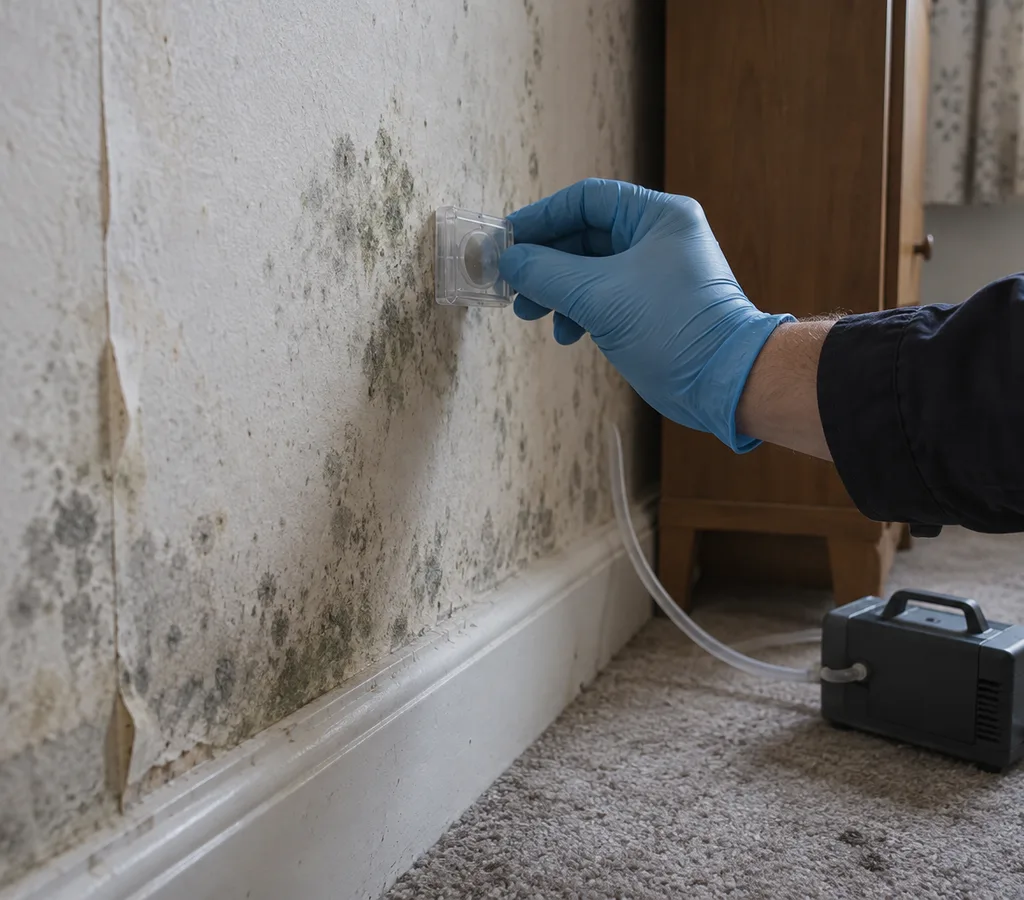
Mold problems do not get better with time. If you are seeing staining, musty odors, or suspected growth after a leak or humid summer weather, professional mold remediation in Columbus Ohio focuses on two things: removing contamination safely and fixing the conditions that allowed it.
Our Columbus water damage team starts by identifying impacted materials and the moisture source, then builds a step-by-step remediation plan you can understand before work begins.
Columbus homes often have mold show up in basements, crawlspaces, and around bathrooms and laundry areas. Older housing stock in neighborhoods like Clintonville and Olde Towne East can hide moisture behind plaster or in wall cavities after a small plumbing leak.
In German Village and Victorian Village, tighter renovations combined with humid months can make ventilation issues more noticeable. In newer builds around Dublin and Westerville, mold is more likely to be tied to HVAC condensate, bathroom exhaust routing, or a one-time water event that was dried too slowly.
We document visible growth, water staining, and likely pathways such as attics, wall cavities, and basements. The written scope ties each work step to a specific area and material type.
Poly sheeting, sealed registers, and negative air pressure help keep spores from moving into clean parts of the home during removal and cleaning.
Porous materials like drywall, insulation, carpet pad, and some ceiling tiles often cannot be reliably restored once contaminated and may need controlled removal and disposal.
We use HEPA filtration and detailed surface cleaning to remove settled spores and residue on framing, sheathing, and other remaining surfaces.
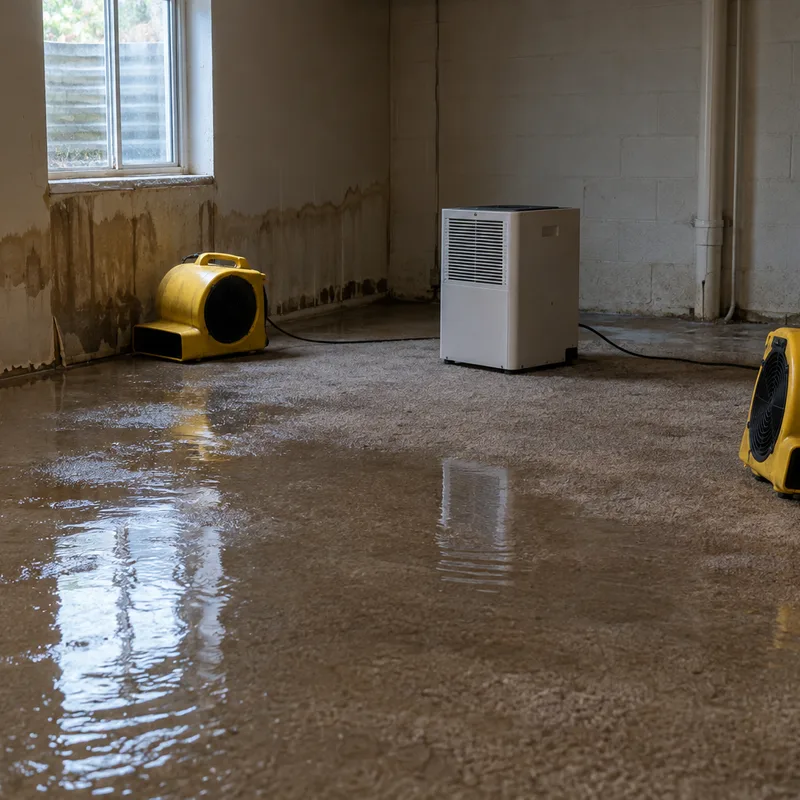
If moisture is still present, we use commercial dehumidification and airflow to reach dry conditions, then advise on the repair or ventilation change that prevents repeat growth.
We review the cleaned area with you, confirm the scope is complete, and explain what is ready for rebuild and what should be monitored going forward.
Remediation is only durable when the moisture problem is solved. During mold remediation Columbus Ohio projects, we look for the specific cause, not guesses.
Common contributors in Columbus include:
If the mold is tied to a recent water event, you may also want to review the broader drying and repair sequence used in water damage restoration. It is often the difference between a one-time cleanup and a repeat problem a season later.
We inspect the affected area, note building materials and access points, and confirm whether containment is needed based on location and amount of visible impact.
We isolate the work area with plastic barriers and control airflow. When needed, negative air machines and HEPA air scrubbers run to reduce airborne spread during work.
Drywall, insulation, carpet pad, and other porous materials that cannot be cleaned to a reliable standard are removed in a controlled way and bagged out.
We HEPA vacuum and wipe structural surfaces and non-porous contents within the scope. Thorough attention to corners, fasteners, and framing joints removes dust and residue.
We address remaining moisture with dehumidification and airflow as needed, then walk the finished area with you. If repairs are needed to prevent recurrence, we outline them clearly so you can plan the rebuild.
Mold remediation in Columbus typically ranges from about $1,500 to $6,500 for many residential projects, with small, contained areas sometimes closer to $750 to $1,500 and large or multi-room remediation reaching $8,000+ when demolition, drying, and access challenges stack up.
Price depends on the size and location of the affected area, how much porous material must be removed, containment and negative-air requirements, moisture levels, and whether contents need cleaning or pack-out. The exact cost is confirmed after an on-site inspection and a written scope.
We found mold behind the baseboards in our finished basement after a small leak. The crew explained what had to come out, sealed the area properly, and kept the rest of the house clean. The final walkthrough made it clear what was done and what to fix so it would not come back.
The musty smell in our bathroom wouldn't go away. They traced it to wet materials around the fan and ducting, contained the work, and cleaned everything thoroughly. The difference was immediate once it was dried out.
Most mold remediation Columbus OH jobs take 1 to 3 days for a single contained area, and longer when multiple rooms, basements, or ongoing drying are involved. Timeline depends on how much demolition is required and whether moisture levels need time to come down before the area can be closed back in.
Sometimes, but only when the contamination is limited to cleanable surfaces and the drywall is not damp or colonized. If growth is inside the wall cavity, on the back of drywall, or in insulation, removal is often the safest way to fully eliminate the reservoir and prevent recurring odors or regrowth.
Often yes when the affected area can be fully contained and the work is isolated, but it depends on where the mold is and who lives in the home. For example, remediation in a basement with a sealed stairwell is easier to isolate than work in a main hallway; we will recommend temporary relocation when containment cannot adequately protect the living space.
Remediation is driven by inspection, moisture mapping, and removing contaminated materials rather than relying on a single air test. If you want third-party sampling for documentation, we can coordinate around an independent mold assessor so the results are unbiased and tied to clear pass criteria.
Clear personal items from the immediate work area if it is safe to do so, avoid running fans that could spread spores, and do not disturb visible growth. If the problem followed a leak, shut down the water source if possible and keep the area closed off until an assessment is completed.
Mold removal usually describes cleaning what you can see, while mold remediation Columbus work includes containment, removal of unsalvageable materials, detailed HEPA cleaning, and addressing the moisture condition that caused the growth. The goal is a safe, verifiable cleanup and a plan to prevent recurrence.
Tell us what you are seeing and where it is happening. We will inspect the area, explain the scope in plain language, and lay out the safest path to remediate and prevent the mold from coming back.