Musty odor that returns
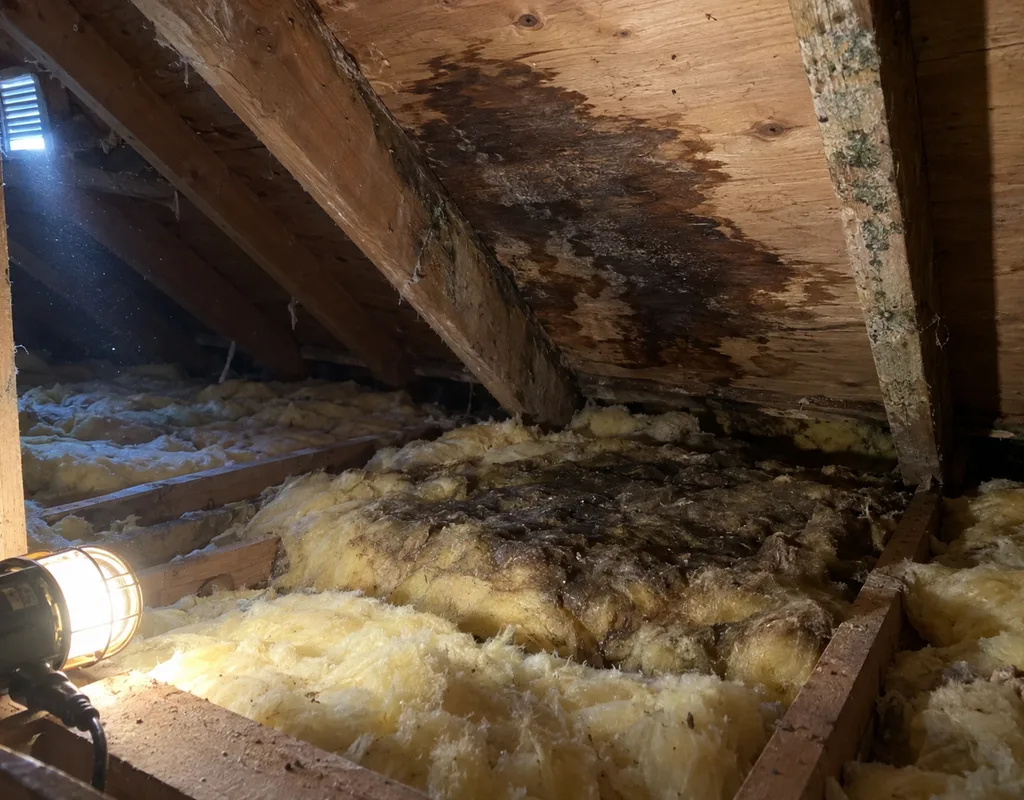
A persistent smell often means hidden growth in drywall, insulation, framing, or under flooring, even if the visible area looks small.
Serving Columbus & surrounding areas
If you smell mustiness, see staining, or have had a recent leak, treat it as an indoor air and materials problem, not a cleaning project. Our certified team isolates the area, removes contaminated materials when needed, and restores the space so it can be safely used again.
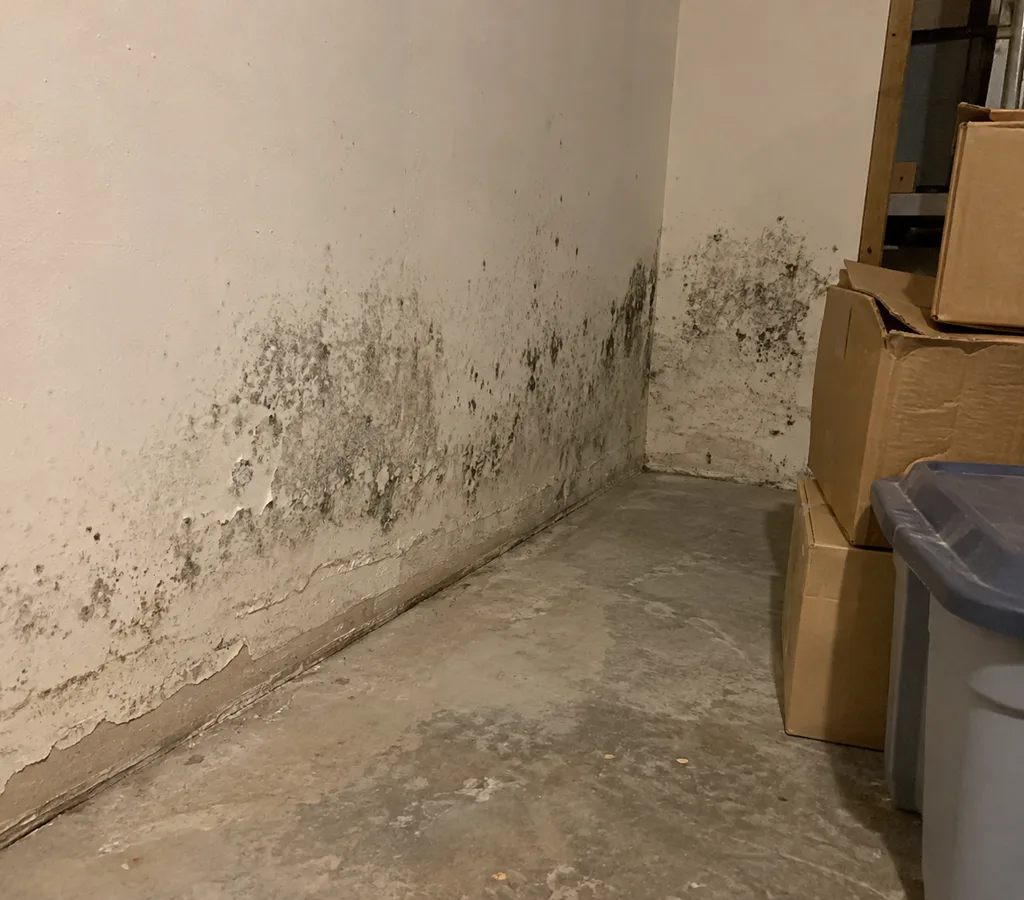
Mold growth usually follows moisture, not luck. In Columbus, that often means a plumbing leak inside a wall, a damp basement after heavy rain, or long term humidity in a bathroom or crawlspace.
When you hire a company for mold removal Columbus Ohio homeowners can trust, the goal is simple: stop the moisture, keep spores from spreading, remove impacted materials safely, and get the space back to normal. That requires containment and filtration, not bleach and a fan.
Our work is built around the same principles used across the industry: controlled demolition when materials cannot be cleaned, HEPA filtration to reduce airborne spores, and detailed cleaning of adjacent surfaces so you do not end up chasing the same odor or staining again.
If your mold problem started after a leak or flooding event, our Columbus water damage team can coordinate the next steps for drying before targeted mold cleanup begins.
A persistent smell often means hidden growth in drywall, insulation, framing, or under flooring, even if the visible area looks small.
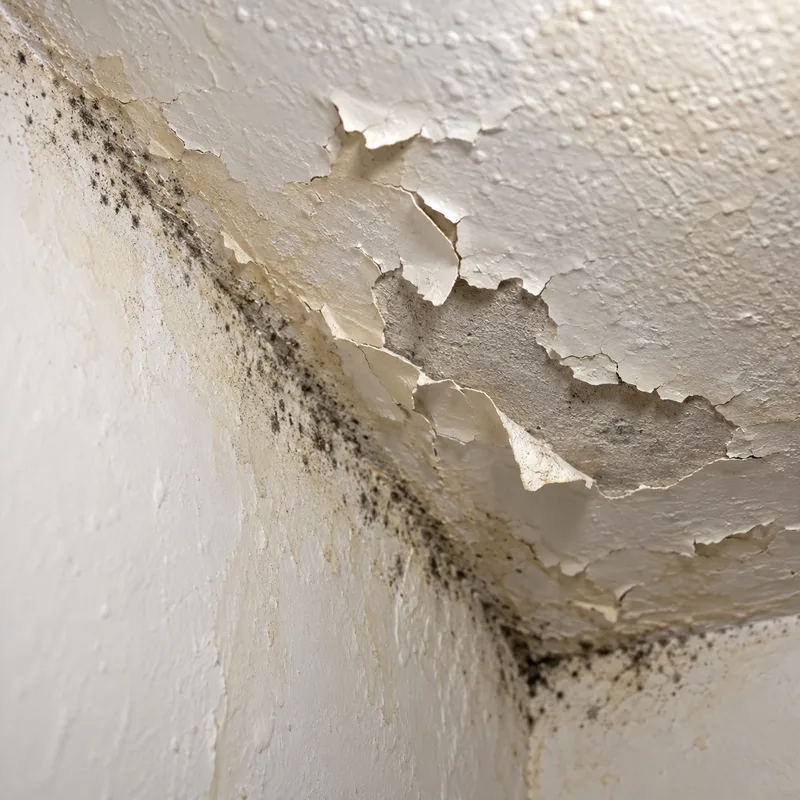
If water sat in a wall cavity or under materials, mold can develop quickly. The right fix includes inspection behind finishes, not surface wiping.
Swollen baseboards, soft drywall, or lifting vinyl plank commonly indicate trapped moisture and possible contamination.
If anyone is experiencing increased allergy like symptoms at home, prioritize containment and air filtration during cleanup to limit exposure.
Basements in the Columbus area often face humidity and occasional seepage. Mold can take hold on wood, cardboard storage, and unfinished surfaces.
Good remediation is controlled and documented, because spreading spores into the rest of the house creates more damage.
Typical mold removal steps include:
This approach is especially important in tighter, older housing stock where air movement is limited and moisture can stay trapped longer. That is common in areas with older homes like German Village and Clintonville, where basements and finished wall cavities can hide damage until the smell shows up.
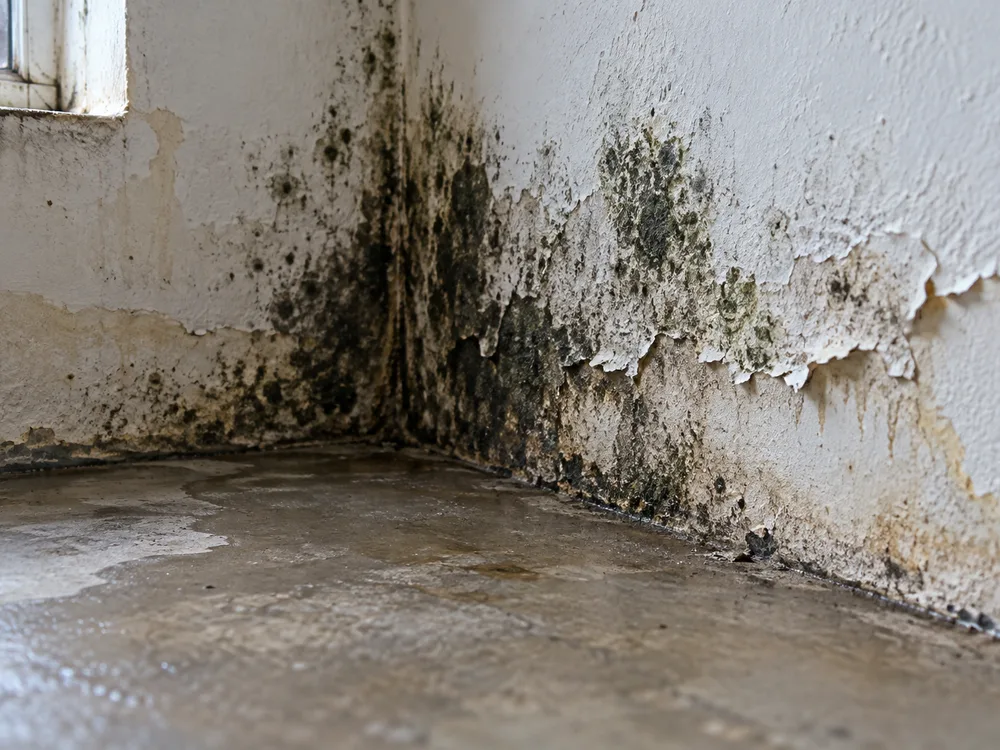
We inspect the visible growth, check likely migration paths, and identify the moisture source. If the space is actively wet, the first priority is stabilizing conditions so mold does not continue to spread.
We isolate the area with containment and use HEPA air filtration. In occupied homes or businesses, this step is what makes mold removal in Columbus practical without shutting down the entire building.
We remove contaminated porous materials as needed, clean remaining structural surfaces, and HEPA vacuum the work zone. We also wipe down nearby horizontal surfaces where settled dust can carry spores.
We confirm moisture is under control, then review what needs to be rebuilt (drywall, baseboards, flooring transitions). You receive a clear scope so you can move forward with confidence.
Mold removal in Columbus typically ranges from about $800 to $3,500 for a contained, room level project, while larger or multi-area remediation with demolition and rebuild coordination can run $4,000 to $10,000+. Small, accessible cleanups may be lower, and hidden growth behind walls or under floors pushes costs up.
Price depends on the size of the affected area, what materials are contaminated (drywall and insulation vs. hard surfaces), how much containment is required, access (tight crawlspaces, finished basements), and whether the moisture source needs repair. The exact cost is confirmed after an on-site inspection and a written scope.
Sometimes, but only when the affected material can be cleaned reliably. Non-porous or semi-porous surfaces (like metal, some finished wood, or tile) can often be cleaned, while drywall, insulation, and carpet pad commonly require removal when contaminated. We determine this during inspection by checking the material type, how far moisture traveled, and whether growth is on the surface or within the material.
Most contained, single-area projects take 1 to 3 days of remediation work, then additional time for repairs like drywall and paint if demolition was necessary. Multi-room issues or crawlspace jobs can take longer because containment and access slow the work. After we see the site, we can give you a realistic schedule based on the scope and how quickly the space can be dried.
Often yes, as long as the work area can be fully contained and the HVAC system is managed appropriately for the situation. We isolate the affected zone and run HEPA filtration to reduce airborne particles. If the mold is in a central area of the home, involves multiple rooms, or affects sensitive occupants, we will talk through practical options before work starts.
For many projects, a careful inspection and moisture investigation are enough to build a safe remediation plan without separate testing. If you need testing for real estate documentation, insurance, or peace of mind, we can discuss where third-party testing fits best so results are unbiased. Either way, the remediation approach focuses on removing contaminated materials and controlling moisture, not chasing a specific species name.
Stop the water source if it is still active, avoid disturbing the area, and do not run fans that blow directly across visible growth because that can spread spores. If the leak involved a lot of moisture, prioritize professional drying first, then remediation. When the source is a recent water event, starting with Columbus water damage restoration often prevents the mold problem from expanding.
Mold returns when moisture returns. If the water source (leak, seepage, poor ventilation, humidity) is corrected and affected materials are removed or cleaned correctly, recurrence risk drops sharply. We focus on identifying the moisture driver, setting proper containment during cleanup, and confirming conditions are dry before rebuild.
Tell us what you are seeing and where it is happening. We will schedule an inspection, explain what needs to be removed versus cleaned, and provide a written scope that protects the rest of your property while the work is done.